From the Desk of Danny Cohn
October 30, 2026
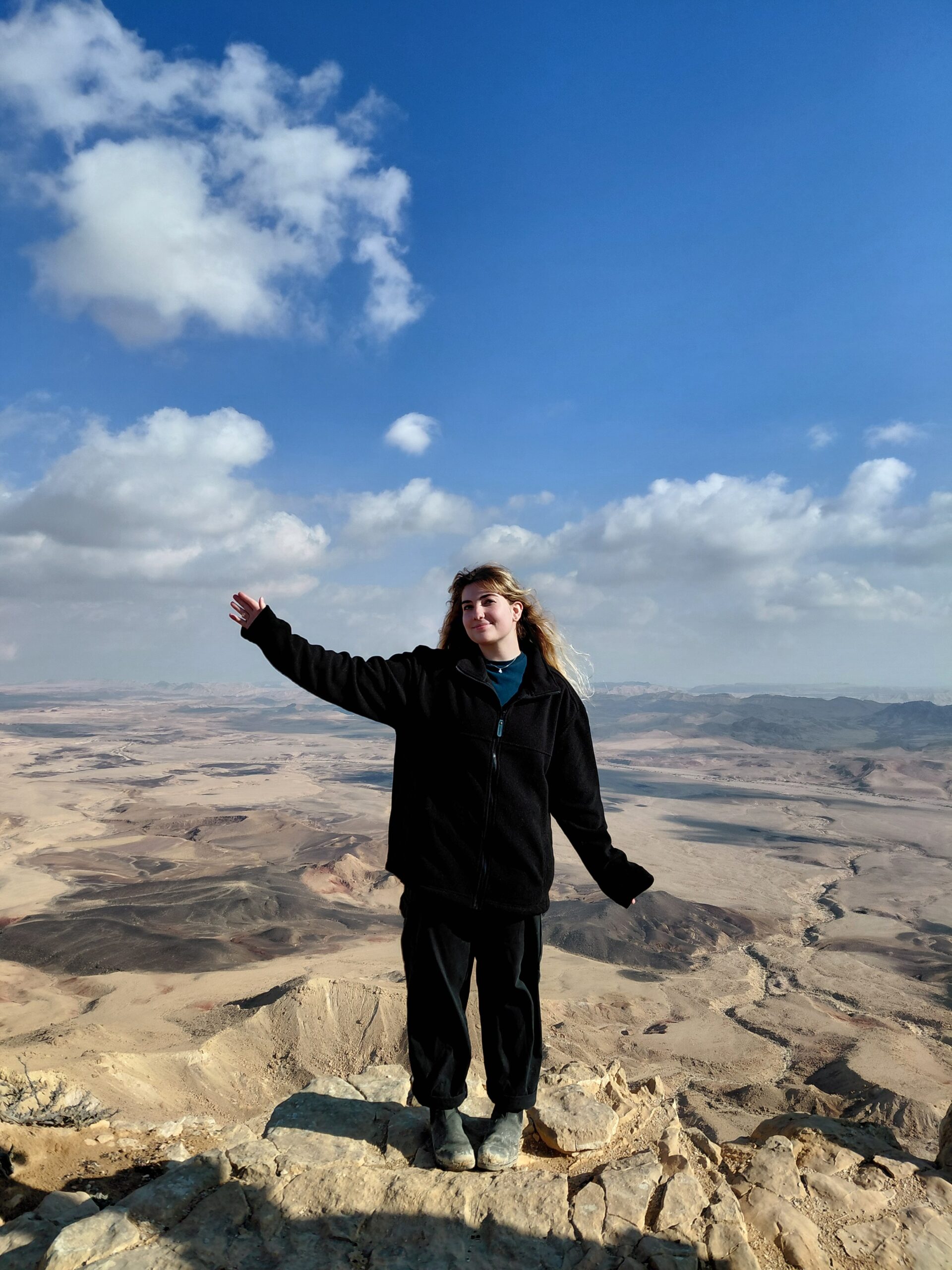
The Jewish Federation of St. Louis’ Reverse Shinshinim program gives local high school graduates ages 18–20 the opportunity to spend an immersive gap period volunteering and experiencing daily life in Israel. Based in the Federation’s Partnership Region of Yokneam-Megiddo, participants learn Hebrew, volunteer in the community, and develop relationships with Israelis while exploring their Jewish identity.
The program offered Rebekah an opportunity to do more than explore Israel. It was a chance to immerse herself in Israeli culture, build meaningful relationships, and discover a deeper connection to the land and people of Israel. What began as a five-month journey became a seven-month experience that changed her perspective, challenged her independence, and left her eager to return.
Two important influences inspired Rebekah to participate: the Israeli Shinshinim who have brought joy and fresh perspectives to the St. Louis Jewish community and her older brother, who has lived in Israel for seven years, served in the Israel Defense Forces (IDF), and continues to serve in the reserves.
She hoped to explore a new country, immerse herself in Israeli culture, meet new people, and discover new interests through volunteering. She accomplished all of that and more.
Learning Through Everyday Life
Rebekah’s days on the kibbutz were filled with opportunities to learn, serve, and connect. Three days a week, she attended Ulpan, or Hebrew classes, from 8 a.m. to 3:45 p.m. Her classmates came from around the world, and the group participated in activities with their madricha, or group leader, to strengthen their connections.
On Tuesdays and Thursdays, Rebekah volunteered, initially at Megiddo High School, where she helped students build confidence in their English through games, conversations, and homework. She later added volunteer work at a petting zoo and in a garden.
One of her favorite parts of volunteering was watching the high school students grow more comfortable speaking English.
“One of the most memorable experiences was seeing how their excitement grew when they saw me and how hard they tried to speak English with me, while also teaching me Hebrew!” Rebekah said. “I also got to teach them about tornadoes, which they thought was crazy. It was so much fun connecting with them and learning from each other.”
Outside the classroom and volunteer sites, Rebekah discovered the warmth of Israeli hospitality. She was surprised by the fast pace of daily life and how people still made time to meet friends for coffee and enjoy the moment.
“I’d meet someone for the first time, and they would already be calling me family and inviting me over anytime,” she said.
A Deeper Connection to the Land and Its People
One of Rebekah’s most meaningful experiences came during Shavuot, when the kibbutz community gathered for a harvest festival. The celebration included music, speeches, dancing, rolling hay bales, and a parade of tractors and kibbutz vehicles.
Rebekah helped make a large challah for the ceremony and decorate a trailer for the petting zoo where she volunteered. Participating in the community’s traditions gave her a new appreciation.
“Being part of these traditions made me feel deeply connected to the kibbutz community, the people of Israel, and the land itself,” she said.
The experience also included challenges. During the war with Iran, Rebekah had to respond quickly when sirens sounded and seek shelter, sometimes in the middle of the night. She kept her shoes next to her bed so she could move quickly and was grateful for her host family, who had a shelter in their home during the beginning of the war.
Another challenge came when her original five-month program ended. As her Ulpan friends prepared to leave, Rebekah decided to extend her stay for two additional months.
“Saying goodbye to people I had grown so close to was difficult, but I pushed through and made the most of my remaining time in Israel,” she said.
That decision gave Rebekah more time to explore, strengthen her relationships, and experience the country beyond her initial program.
Seven Months of Memories to Last a Lifetime
Among Rebekah’s favorite memories were the hiking trails just behind her kibbutz. She often hiked after classes or volunteering, enjoying the freedom and beauty of the Israeli landscape.
She also built friendships and relationships with host families that she continues to maintain through WhatsApp. When she messages her Israeli friends, she practices her Hebrew to keep improving the language she worked so hard to learn.
Although leaving Missouri was difficult, saying goodbye to Israel was even harder.
“Israel has always been important to me, but living there for seven months deepened my connection even more,” Rebekah said. “I fell in love with the beauty of the land and the warmth of the people, who are always ready to welcome a stranger as family.”
Her experience strengthened her relationship with Israel and confirmed that she wants to return soon.
For other St. Louis high school graduates considering the Reverse Shinshinim program, Rebekah has one clear message.
“I would tell them that if you’re considering it, then it’s already decided, you must do it!” she said. “It’s a once-in-a-lifetime experience that you shouldn’t pass up. You’ll discover new opportunities, build lifelong relationships, and grow your independence.”
As Rebekah reflects on her seven months in Israel, she is grateful for the friendships, experiences, and personal growth that made the journey so meaningful.
“As someone who has done this program, I can confidently say it was the best decision I made for myself.”
Interested in learning more about the Reverse Shinshinim program? Please click here or contact Cynthia Wachtel, Associate Director, Israel Emissary Initiatives, at CWachtel@JFedStL.org.


